

We will stay firmly rooted in Chinese culture. We will collect and refine the defining symbols and best elements of Chinese culture and showcase them to the world. We will accelerate the development of China’s discourse and narrative systems, better tell China’s stories, make China’s voice heard, and present a China that is credible, appealing, and respectable.
习近平会见美国工商界和战略学术界代表
发布时间:2024-03-28 09:20:35 | 来源:新华社 | 作者: | 责任编辑:丁素云新华社北京3月27日电(记者杨依军)3月27日,国家主席习近平在北京人民大会堂集体会见美国工商界和战略学术界代表。
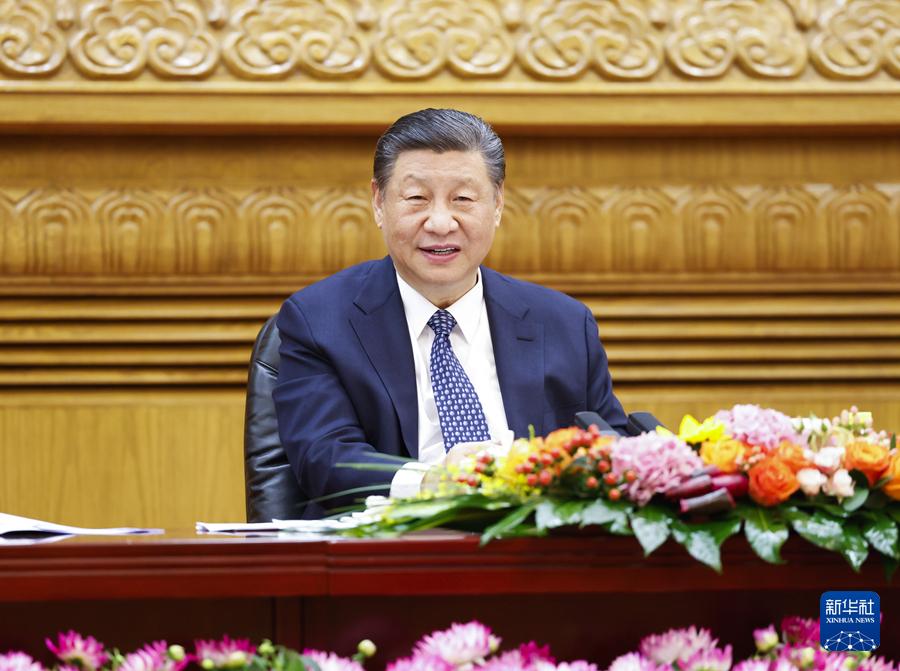
3月27日,国家主席习近平在北京人民大会堂集体会见美国工商界和战略学术界代表。新华社记者 黄敬文 摄
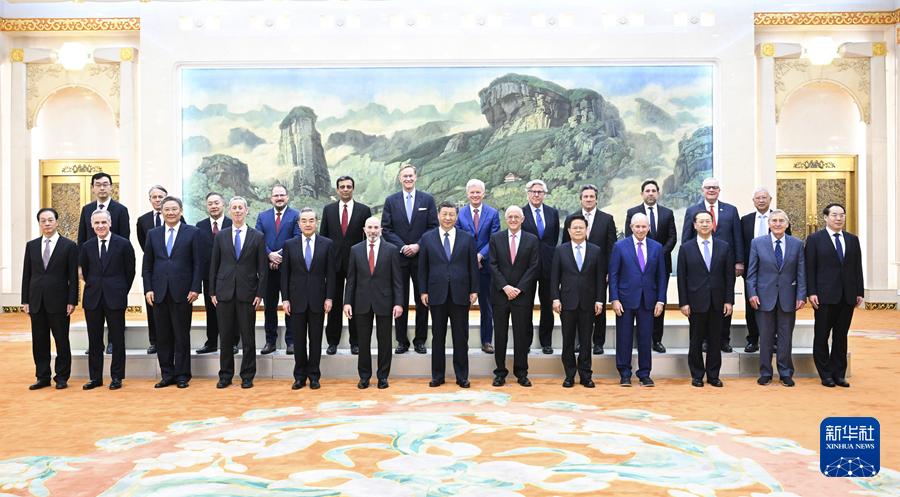
3月27日,国家主席习近平在北京人民大会堂集体会见美国工商界和战略学术界代表。新华社记者 申宏 摄
习近平对美国工商界和战略学术界人士在春暖花开之际访华表示欢迎。习近平指出,中美关系是世界上最重要的双边关系之一。中美两国是合作还是对抗,事关两国人民福祉和人类前途命运。中美各自的成功是彼此的机遇。只要双方都把对方视为伙伴,相互尊重、和平共处、合作共赢,中美关系就会好起来。今年是中美建交45周年。中美关系史是一部两国人民友好交往的历史,过去靠人民书写,未来更要靠人民创造。中国有句话,从善如登,从恶如崩。希望两国各界人士多来往、多交流,不断积累共识,增进信任,排除各种干扰,深化互利合作,为两国人民带来更多实实在在的福祉,为世界注入更多稳定性。
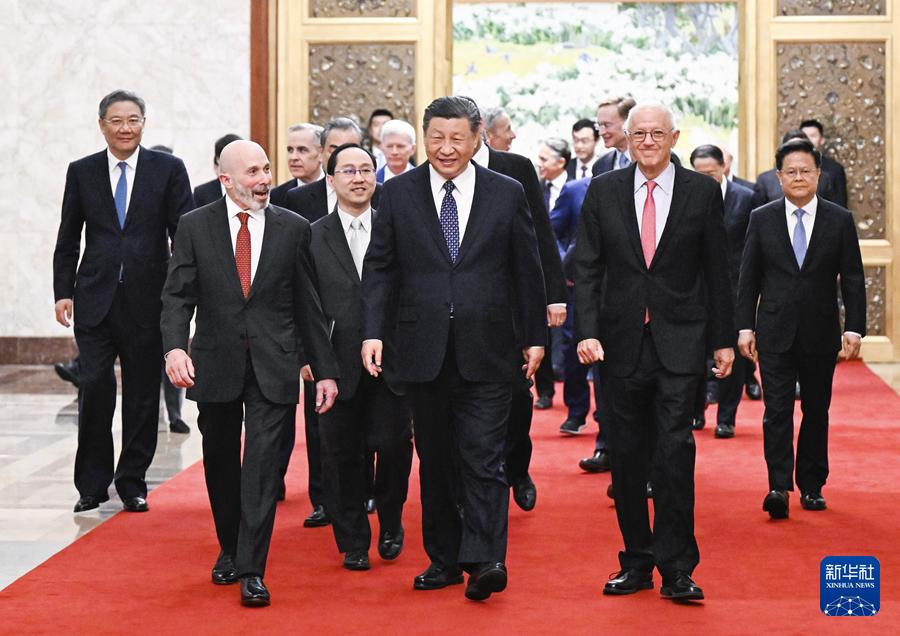
3月27日,国家主席习近平在北京人民大会堂集体会见美国工商界和战略学术界代表。新华社记者 申宏 摄
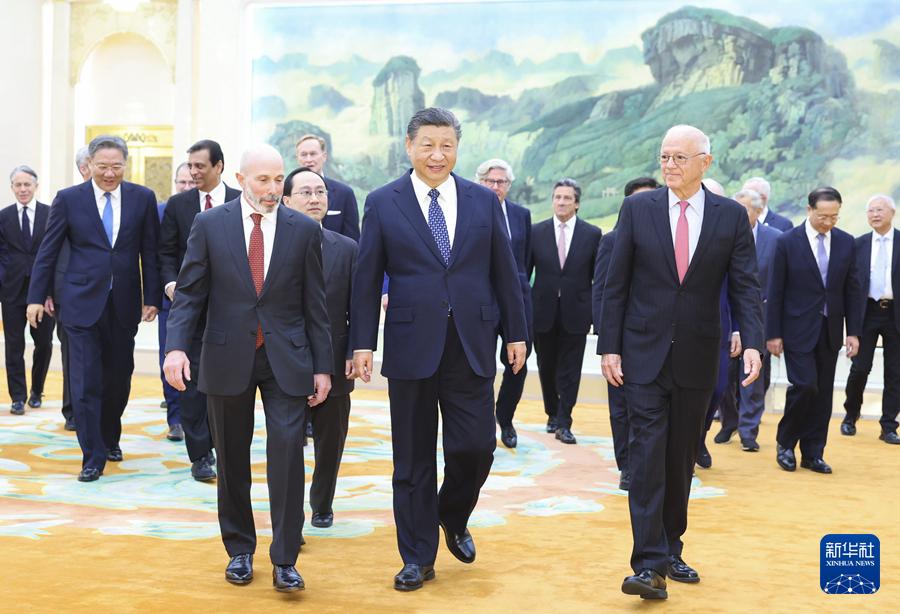
3月27日,国家主席习近平在北京人民大会堂集体会见美国工商界和战略学术界代表。新华社记者 黄敬文 摄
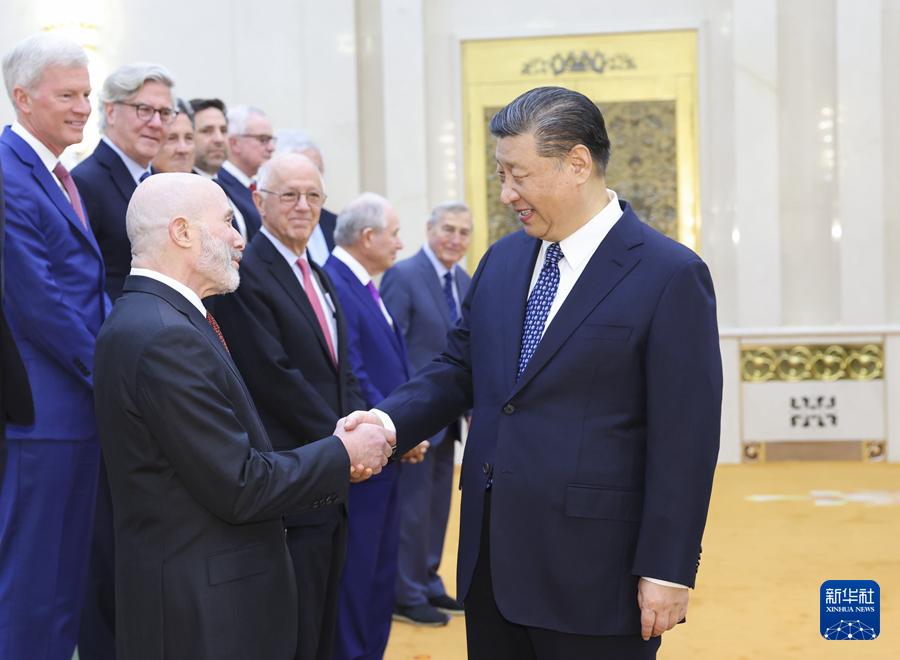
3月27日,国家主席习近平在北京人民大会堂集体会见美国工商界和战略学术界代表。新华社记者 黄敬文 摄
习近平认真听取了美方代表发言,并对他们关心的问题一一作出回应。
习近平指出,中国经济是健康、可持续的。去年中国经济增速在世界主要经济体中名列前茅,对世界经济增长贡献率继续超过30%,这是中国人民干出来的,也离不开国际合作。中国的发展历经各种困难挑战才走到今天,过去没有因为“中国崩溃论”而崩溃,现在也不会因为“中国见顶论”而见顶。我们将持续推动高质量发展,持续推进中国式现代化,既让中国人民不断过上更好生活,也为世界可持续发展作出更大贡献。中国发展前景是光明的,我们有这个底气和信心。
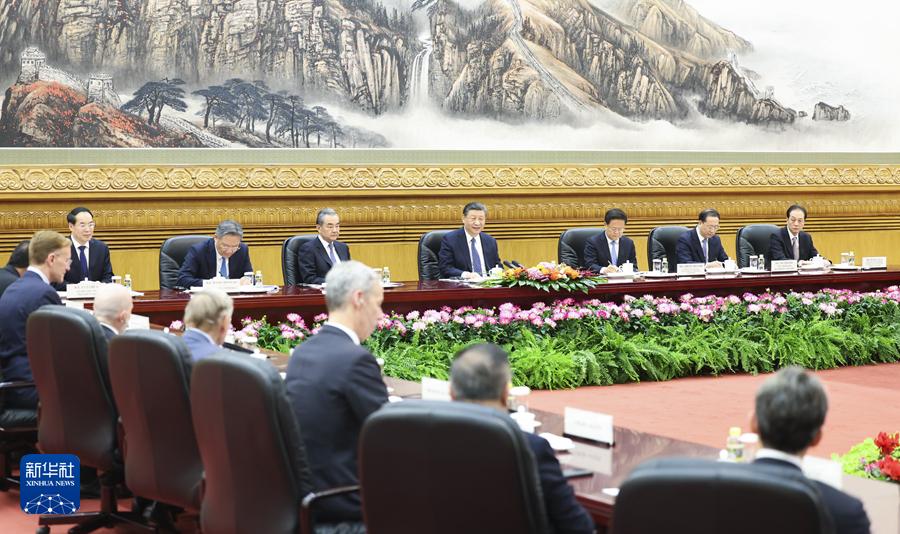
3月27日,国家主席习近平在北京人民大会堂集体会见美国工商界和战略学术界代表。新华社记者 黄敬文 摄
习近平指出,我多次讲过,改革开放是当代中国大踏步赶上时代的重要法宝。中国的改革不会停顿,开放不会止步。我们正在谋划和实施一系列全面深化改革重大举措,持续建设市场化、法治化、国际化一流营商环境,为包括美国企业在内的各国企业提供更广阔发展空间。面对中美经贸关系近年来出现的新情况新变化,双方要坚持相互尊重、互惠互利、平等协商,按经济规律和市场规则办事,扩大和深化经贸互利合作,尊重彼此的发展权利,追求中美共赢和世界共赢。欢迎美国企业更多参与共建“一带一路”,参加中国国际进口博览会等大型经贸活动,继续投资中国、深耕中国、赢在中国。
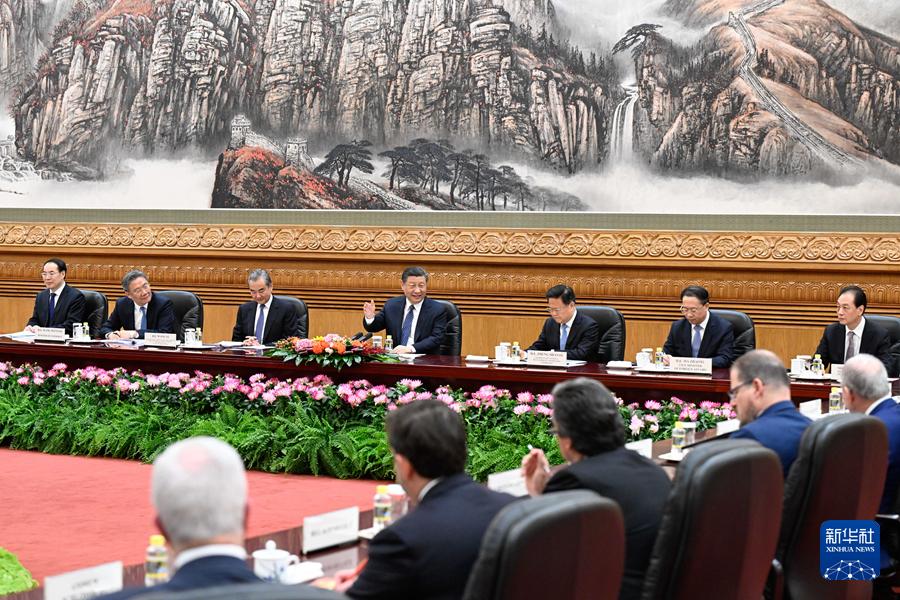
3月27日,国家主席习近平在北京人民大会堂集体会见美国工商界和战略学术界代表。新华社记者 申宏 摄
习近平强调,这几年,中美关系经历了不少波折,也遭遇过严峻挑战,其中的教训值得吸取。中美关系回不到过去,但能够有一个更好的未来。去年我同拜登总统在旧金山会晤,最大的共识就是中美关系应该稳下来、好起来。过去几个月,双方团队围绕我和拜登总统达成的共识,在政治外交、经贸财金、执法禁毒、气候变化、人文交流等各领域保持沟通,取得了进展。当前形势下,中美的共同利益不是减少了,而是更多了。不管是经贸、农业等传统领域,还是气候变化、人工智能等新兴领域,中美应该成为对方发展的助力,而不应该成为阻力。推动世界经济复苏、解决国际和地区热点问题,都需要中美协调合作,展现大国胸怀,拿出大国担当。美方应同中方相向而行,树立正确战略认知,妥善处理敏感问题,保持中美关系止跌企稳的势头,积极探索正确相处之道,推动中美关系持续稳定健康向前发展。
美中关系全国委员会董事会主席格林伯格、黑石集团董事长兼首席执行官苏世民、高通公司总裁兼首席执行官安蒙、哈佛大学肯尼迪政府学院创始院长艾利森、美中贸易全国委员会会长艾伦等美方代表在发言中感谢习近平主席拨冗会见。他们表示,过去几十年来,中国实现了非凡经济增长和转型,体现了强大韧性和活力。在习近平主席卓越领导下,中国致力于发展新质生产力,实现更可持续的高质量发展。中国人民的发展权利应该得到尊重。相信中国将实现自身发展目标,促进世界经济发展和融合。一个强大、繁荣的中国是世界的正能量。美中经济关系紧密依存,两国唯有和平共处,才能实现各自发展繁荣。“修昔底德陷阱”并非必然。美国企业赞赏中方近期出台的一系列进一步改革开放的重要举措,看好中国经济发展前景,将坚定不移继续深耕中国,同中国发展长期紧密的合作关系。习近平主席同拜登总统去年11月在旧金山成功会晤,提振了美国各界和世界对美中关系未来的预期和信心。美国工商界和战略学术界支持美中双方加强各层级交往交流,增进相互理解、信任与合作,携手应对全球性挑战,推动建立稳定、可持续、富有成效的美中关系。
王毅参加会见。
Xi meets U.S. guests
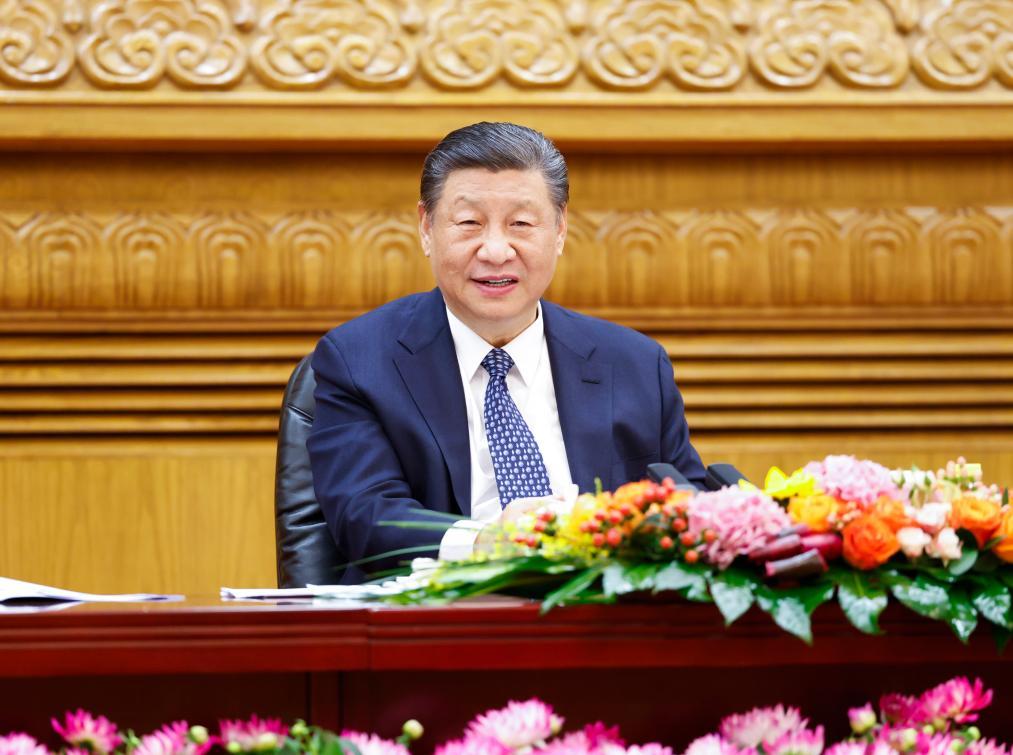
Chinese President Xi Jinping meets with representatives from American business, strategic and academic communities at the Great Hall of the People in Beijing, capital of China, March 27, 2024. (Xinhua/Huang Jingwen)
BEIJING, March 27 (Xinhua) -- Chinese President Xi Jinping met with representatives of the U.S. business, strategic and academic communities at the Great Hall of the People in Beijing on Wednesday.
Xi welcomed members of the U.S. business, strategic and academic communities to China in blooming spring.
He noted that the China-U.S. relationship is one of the most important bilateral relationships in the world. Whether China and the United States have a cooperative or confrontational relationship bears on the well-being of the Chinese and American peoples and the future of humanity.
"The two countries' respective success is an opportunity for each other. As long as both sides see each other as partners and show mutual respect, coexist in peace and cooperate for win-win results, China-U.S. relations will get better," Xi said.
This year marks the 45th anniversary of diplomatic relations between China and the United States. The history of China-U.S. relations is one of friendly exchanges between the two peoples. Its existing chapters are written by the people, and the future will of course be created by the people, Xi said.
"As a Chinese saying goes, doing good is as hard as an uphill climb, while a misstep may easily lead to a free fall," Xi said. He expressed the hope that people from all sectors of Chinese and American societies will have more mutual visits and exchanges, expand common ground and mutual trust, overcome various distractions, and deepen mutually beneficial cooperation, in an effort to bring more tangible benefits to the two peoples and inject more stability into the world.
Xi listened attentively to his U.S. guests and responded to their comments.
Xi pointed out that the Chinese economy is sound and sustainable. Last year, China registered one of the highest growth rates among the major economies and accounted for over 30 percent of global growth as before. This was due both to the hard work of the Chinese people and to international cooperation.
China has come to where it is today after overcoming all kinds of difficulties and challenges. China did not collapse as predicted by the "China collapse theory," nor will it peak as forecasted by the "China peak theory," he said.
"We will continue to advance high-quality development and Chinese modernization, enable the Chinese people to live a better life, and contribute more to sustainable development in the world. We have the confidence and determination that China's development has a bright future," he said.
Xi recalled his oft-repeated saying that reform and opening up holds the key to contemporary China's catching up with the times in great strides. China's reform will not pause, and its opening up will not stop.
He said China is planning and implementing a series of major steps for comprehensively deepening reform, and steadily fostering a market-oriented, law-based and world-class business environment. This will create broader development space for U.S. and other foreign businesses.
Faced with the recent years' new and evolving situation in China-U.S. business ties, the two sides should stay committed to mutual respect, mutual benefit and equal-footed consultation, follow economic and market rules, expand and deepen mutually beneficial business cooperation, respect each other's development rights, and work for win-win outcomes for the two countries and the world at large, Xi said.
The Chinese president said U.S. businesses are welcome to participate more in Belt and Road cooperation, attend large-scale business events such as the China International Import Expo, and continue to invest in China, cultivate the market and grow their business.
Xi emphasized that over the past couple of years, the China-U.S. relationship experienced some setbacks and serious challenges, from which lessons should be learned.
"The relationship cannot go back to the old days, but it can embrace a brighter future," Xi said.
Xi said the most important understanding he reached with President Joe Biden at last year's San Francisco meeting was on the need to stabilize and improve China-U.S. relations.
In the past few months, Chinese and U.S. officials have worked to follow through on the common understandings of the two presidents, maintained communication and made progress in the political and diplomatic, economic and financial, law enforcement and counternarcotics, climate change and people-to-people fields, Xi said.
Under the new circumstances, China and the United States have more, not fewer, common interests. China and the United States should help rather than hinder each other's development, both in traditional areas such as trade and agriculture, and in emerging areas such as climate change and artificial intelligence, according to Xi.
He said promoting world economic recovery and settling international and regional issues require China and the United States to coordinate and cooperate with each other, and to think and act as major countries.
He called on the U.S. side to work with China in the same direction, develop a right strategic perception of each other, handle sensitive issues properly, maintain the momentum of recovery and stabilization of the relationship, actively explore the right way for the two countries to get along, and promote the sustained, steady and sound development of China-U.S. relations.
In their remarks, Evan Greenberg, chairman of the National Committee on U.S.-China Relations, Stephen Schwarzman, chairman and CEO of the Blackstone Group, Cristiano Amon, president and CEO of Qualcomm, Graham Allison, founding dean of Harvard's John F. Kennedy School of Government, and Craig Allen, president of the U.S.-China Business Council thanked President Xi for taking time to meet them.
They noted that China's exceptional economic growth and transformation over the past decades speak to its strong resilience and vitality. Under the extraordinary leadership of President Xi, China is committed to developing new quality productive forces and achieving high-quality development which is more sustainable.
They said the development rights of the Chinese people should be respected. They expressed confidence that China will realize its development goals and contribute to a stronger, more integrated global economy. A strong and prosperous China is a positive force in the world.
They said sharing close economic ties, the United States and China can only develop and thrive in peaceful coexistence. The "Thucydides trap" is not inevitable.
U.S. businesses applaud the important measures that China has recently rolled out to further reform and open up, are optimistic about China's development prospects, will maintain their strong commitment to the Chinese market, and pursue close and long-term cooperation with China, according to the representatives.
They said the San Francisco meeting between President Xi and President Biden last November has shored up the expectation and confidence of all sectors of American society and the world in U.S.-China relations.
The U.S. business, strategic and academic communities support the United States and China in bolstering exchanges and communication at all levels, enhancing mutual understanding, trust and cooperation, joining hands to address global challenges, and fostering a stable, sustainable and productive U.S.-China relationship, the representatives said.
Wang Yi participated in the meeting.
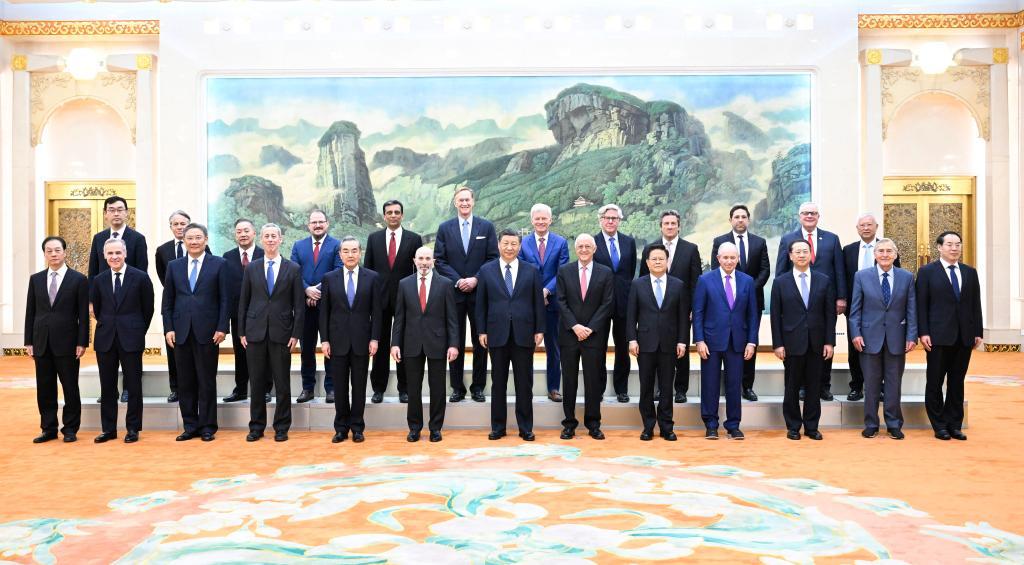
Chinese President Xi Jinping meets with representatives from American business, strategic and academic communities at the Great Hall of the People in Beijing, capital of China, March 27, 2024. (Xinhua/Shen Hong)
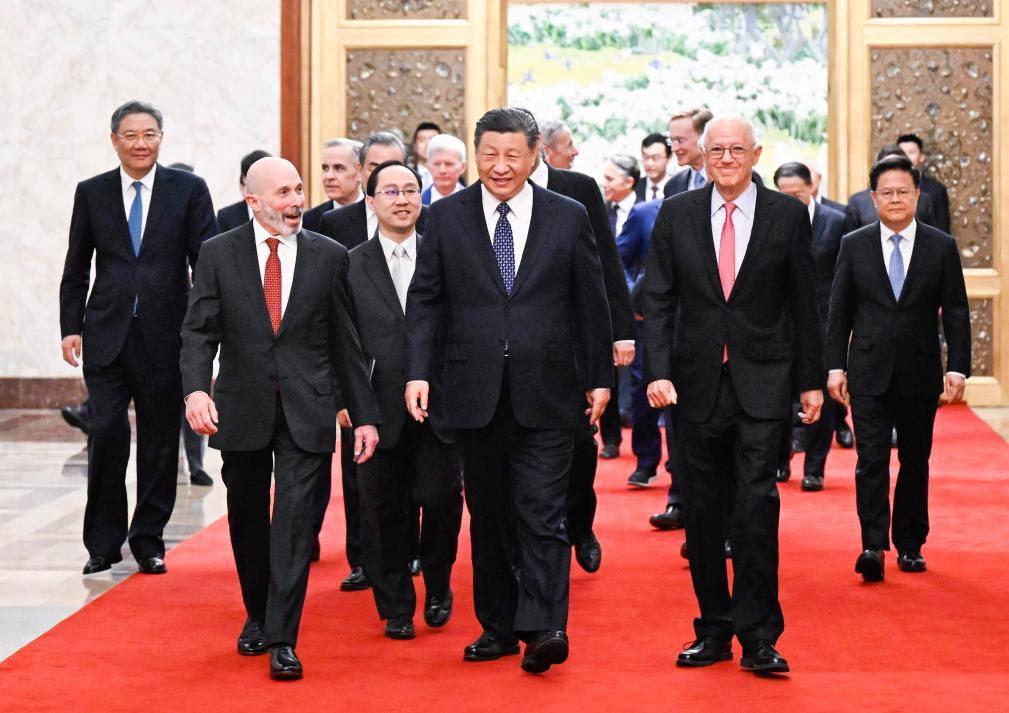
Chinese President Xi Jinping meets with representatives from American business, strategic and academic communities at the Great Hall of the People in Beijing, capital of China, March 27, 2024. (Xinhua/Shen Hong)
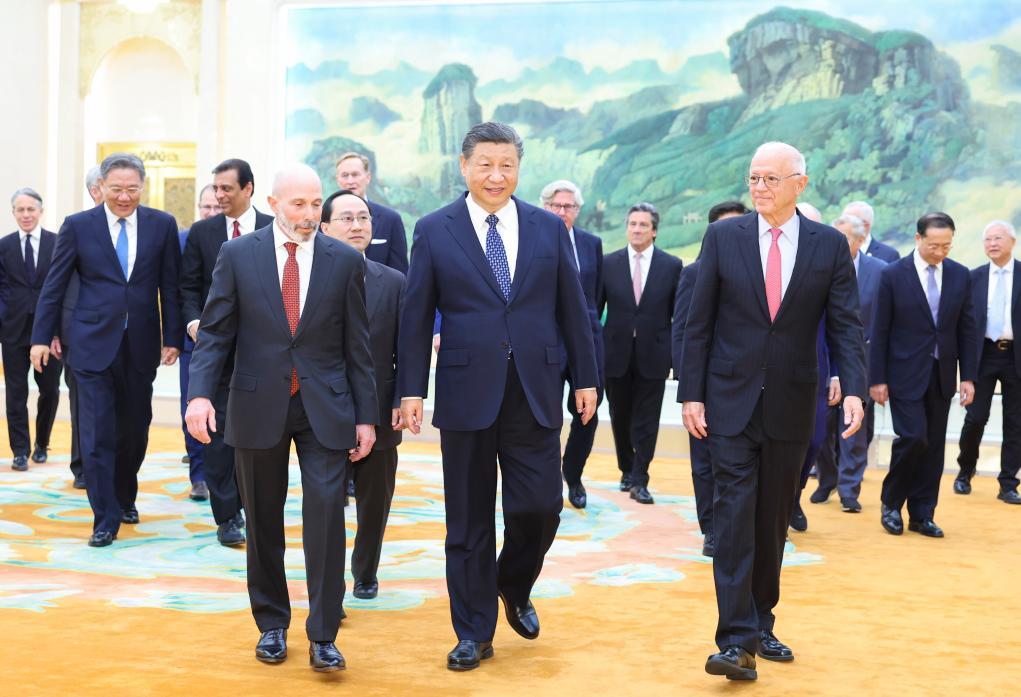
Chinese President Xi Jinping meets with representatives from American business, strategic and academic communities at the Great Hall of the People in Beijing, capital of China, March 27, 2024. (Xinhua/Huang Jingwen)
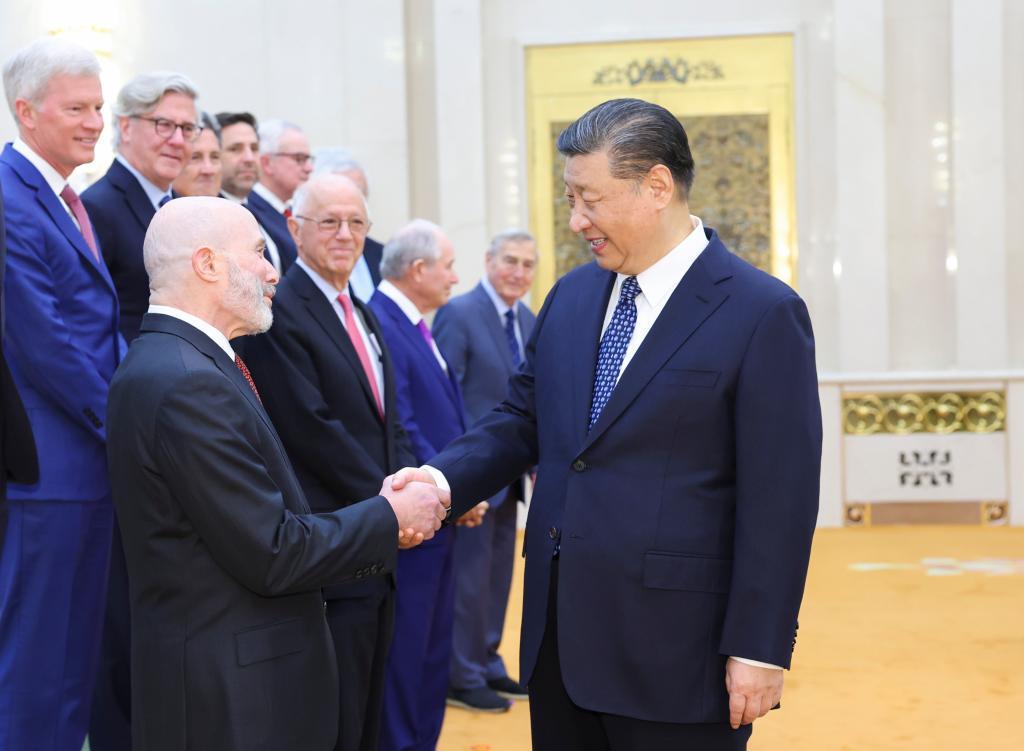
Chinese President Xi Jinping meets with representatives from American business, strategic and academic communities at the Great Hall of the People in Beijing, capital of China, March 27, 2024. (Xinhua/Huang Jingwen)
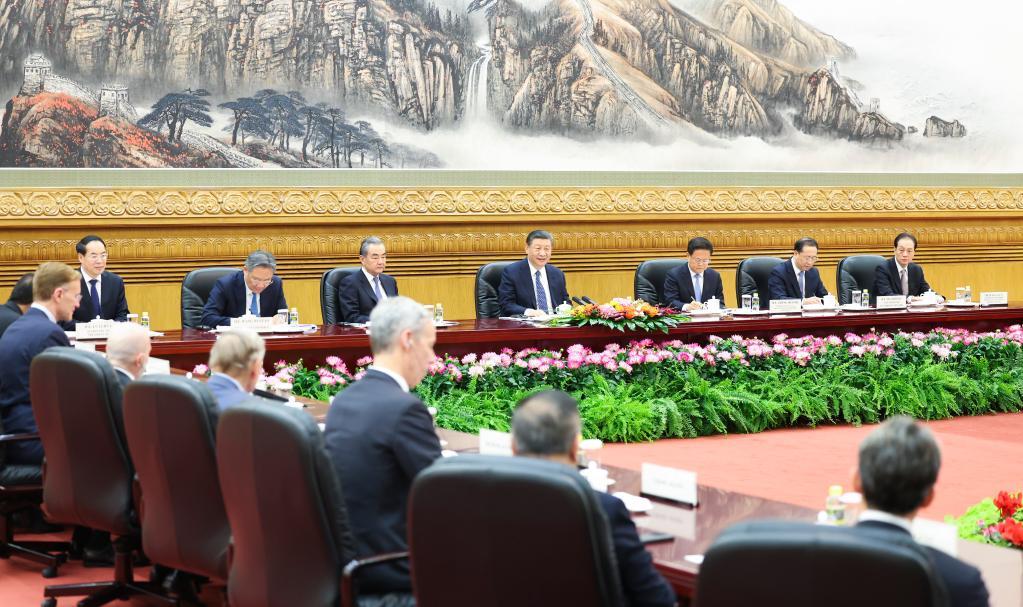
Chinese President Xi Jinping meets with representatives from American business, strategic and academic communities at the Great Hall of the People in Beijing, capital of China, March 27, 2024. (Xinhua/Huang Jingwen)
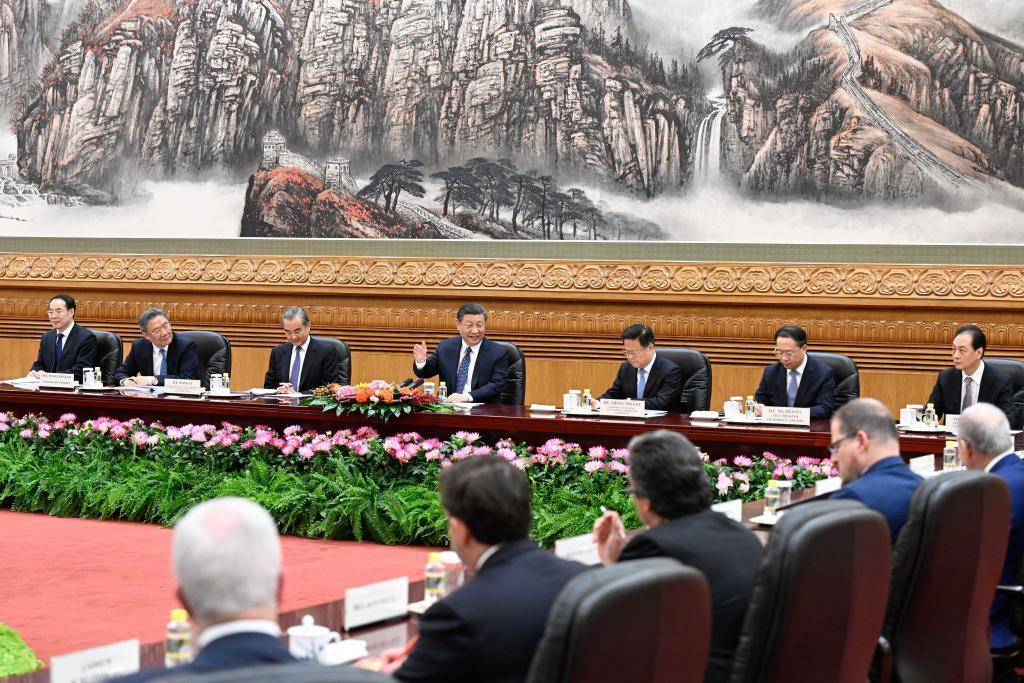
Chinese President Xi Jinping meets with representatives from American business, strategic and academic communities at the Great Hall of the People in Beijing, capital of China, March 27, 2024. (Xinhua/Shen Hong)